|
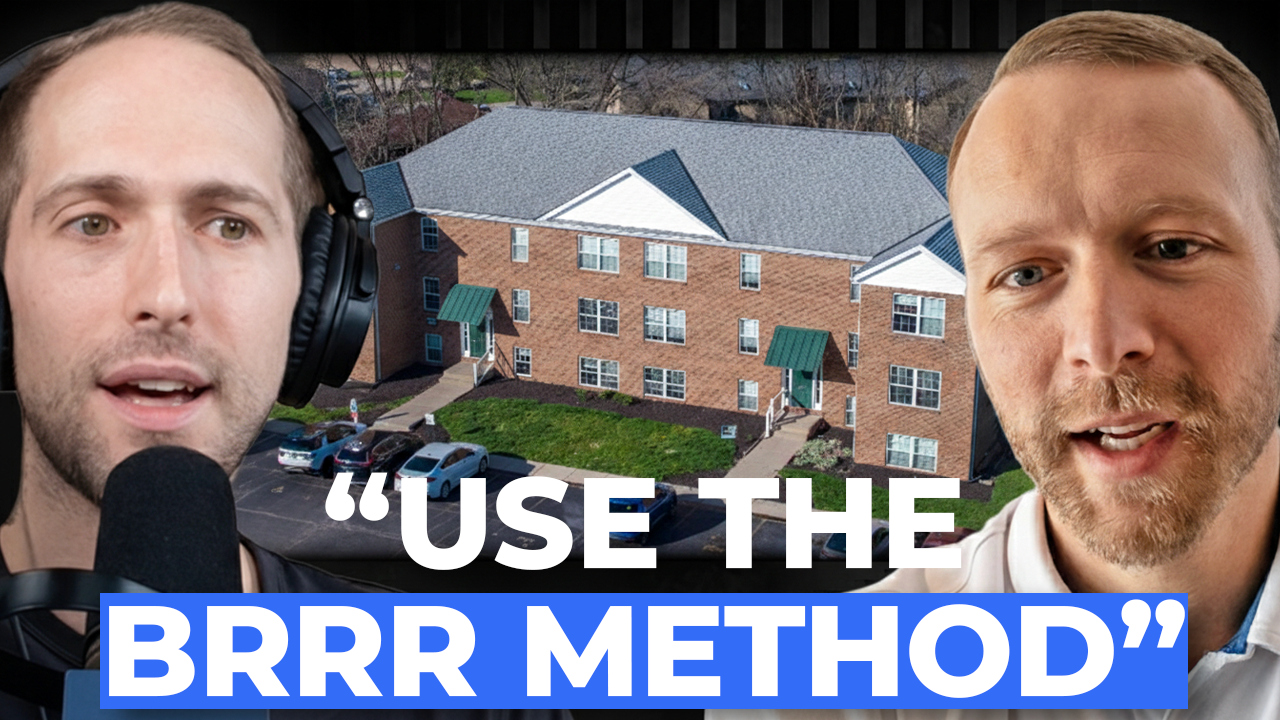
🎙 Episode 2 — Jared Sturm, SNS Capital Group
The foundation nobody talks about
Jared started at 18 as a maintenance technician — changing toilets, painting apartments for another landlord. When 2008 hit, he and his brother Andy started buying distressed houses in Cincinnati. No W2s, no investor capital, no financing. Banks wouldn't touch them, so they bought all cash, renovated with their own hands, and rented them out.
Three years in, they had eight free-and-clear houses. They walked into a local bank, showed the portfolio, and pulled a blanket cash-out refinance at 60% LTV. The check was six figures. For three years they'd been pouring everything back in — and that was the moment the model proved itself.
Flipping as a tool, not a business
Seven years in, Jared and Andy still hadn't flipped a single house. All they wanted was apartments — but they didn't have enough cash. So they spent exactly one year flipping. Seventeen houses. Vendored out nothing. They were the general contractors, the subcontractors, the demo crew, and the painters. Then they stopped, took the capital, and bought a 42-unit community in 2016 — no outside investors.
Flipping wasn't a strategy. It was a funding mechanism with a specific expiration date.
The mindset behind all of it
During those years, Jared and Andy lived in a six-bedroom house with four other guys and rented out rooms. Personal spending: $5,000–$10,000 a year. To cover the grocery bill and cell phone, they'd go out on trash night, collect scrap metal from people's garbage, and sell it.
The striking thing isn't the frugality. It's the framing. Jared doesn't describe it as sacrifice or discipline. He describes it as disownership: the money was never theirs to spend — it belonged to the business. That reframe is the whole thing. You can't copy the path without understanding the mindset behind it.
|
One-liner takeaway
"You can't renovate past a bad neighborhood."
— Jared Sturm, SNS Capital Group | Ep. 2
|
Today SNS does 40–50 unit renovations a month — full cosmetic overhaul, all in-house, averaging three days per unit. The edge isn't what they do. It's how fast. Speed is the moat that doesn't show up on the offering memorandum.
|